

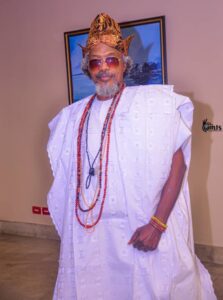
As the Orunto of Owu Kingdom, I have come to realise the immense value of understanding one’s history and identity. It is a conviction that has guided my actions and decisions as a traditional leader, and one that I believe can benefit individuals and communities alike. Knowing one’s history and identity can profoundly shape our lives, and it is a responsibility that we must take seriously.
The Significance of History and Identity
Our history and identity are the foundation upon which our communities are built. They define who we are, where we come from, and what we stand for. By understanding our history, we can learn from the triumphs and mistakes of our ancestors, and use those lessons to build a better future for ourselves and future generations.
As a traditional leader, I have seen firsthand the impact that a strong sense of history and identity can have on a community. When individuals understand their roots and cultural heritage, they are more likely to feel a sense of belonging and purpose. This, in turn, can lead to greater community cohesion, social stability, and economic prosperity.
The Responsibility that Comes with Knowing One’s History and Identity
Knowing one’s history and identity is not just a privilege, but also a responsibility. It is our duty to preserve and promote our cultural heritage, and to ensure that the lessons of the past are not lost to the sands of time. This responsibility extends not just to individuals, but also to communities and future generations.
As the Orunto of Owu Kingdom, I have made it my mission to promote the cultural heritage of my kingdom and to ensure that our history is preserved for generations to come. This includes supporting initiatives that document and celebrate our customs, traditions, and history, as well as encouraging young people to learn about and appreciate their cultural heritage.
The Benefits of Knowing One’s History and Identity
The benefits of knowing one’s history and identity are numerous. It can help individuals develop a sense of pride and self-worth, and provide a framework for understanding their place in the world. It can also foster greater empathy and understanding between different cultures and communities, and promote tolerance and respect for diversity.
In my own life, knowing my history and identity has been a source of strength and inspiration. It has helped me navigate the complexities of traditional leadership and has given me a sense of purpose and direction. I believe that it can do the same for others, and I encourage individuals and communities to explore their history and identity with pride.
Conclusion
In conclusion, knowing one’s history and identity is a powerful tool that can shape our lives in profound ways. It is a responsibility that we must take seriously, and one that requires effort and dedication. As a traditional leader, I am committed to promoting the cultural heritage of my kingdom and to ensuring that our history is preserved for generations to come. I hope that others will join me in this endeavor, and that together, we can build a brighter future for ourselves and for our communities.
-Chief Abiodun Lasile DL MnbR
Orunto Baalufe Owu Kingdom

