

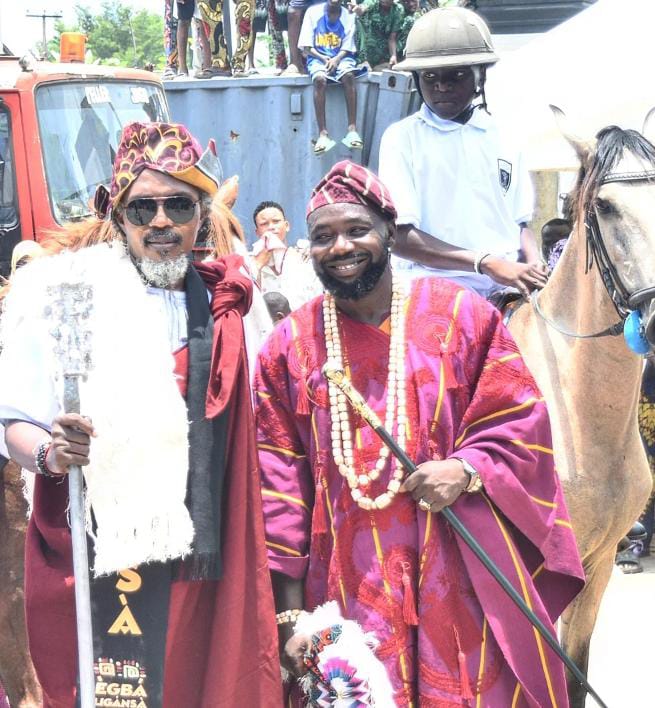
In a world where partisan politics often dominates the landscape, it’s refreshing to see traditional politics emerge as a beacon of hope. This form of politics is not about winning elections or gaining power, but about serving the people with integrity, wisdom, and a deep understanding of the community’s values and traditions. As Chief Abiodun Lasile DL MnbR Orunto Baalufe Owu Kingdom Abeokuta so aptly puts it, “Among the various forms of politics, traditional politics stands out as a refreshing alternative. It’s not about partisan maneuvering, empty promises, or deceit, but about speaking truth to the people, rooted in tradition, custom, and culture.”
The Essence of Traditional Politics
Traditional politics is about more than just governance; it’s about stewardship, community, and the preservation of cultural heritage. It’s a politics that is deeply rooted in the values and traditions of the community, and one that seeks to promote the common good above personal or partisan interests. This approach to politics recognises that the well-being of the community is paramount, and that leaders should be guided by a sense of responsibility to their people, rather than personal ambition.
The Importance of Cultural Context
One of the key strengths of traditional politics is its ability to tap into the cultural context of the community. By understanding and respecting the traditions, customs, and values of the people, leaders can build trust and foster a sense of unity and purpose. This approach also recognises that cultural identity is an essential part of who we are, and that it should be celebrated and preserved, rather than suppressed or ignored.
The Challenges of Modern Politics
In contrast, modern politics often seems to prioritise partisan interests over the needs of the community. The emphasis on winning elections and gaining power can lead to a focus on short-term gains, rather than long-term solutions. The use of deceit, manipulation, and empty promises can erode trust and create divisions within the community. In this context, traditional politics offers a refreshing alternative, one that prioritises integrity, wisdom, and a deep understanding of the community’s values and traditions.
The Benefits of Traditional Politics
So, what are the benefits of traditional politics? For one, it offers a more authentic and meaningful form of governance, one that is rooted in the values and traditions of the community. It also provides a sense of stability and continuity, as leaders are guided by a deep understanding of the community’s history and cultural heritage. Additionally, traditional politics can help to promote a sense of community and shared purpose, as leaders and citizens work together to address common challenges and achieve shared goals.
In conclusion, traditional politics offers a powerful alternative to the partisan politics that often dominates our
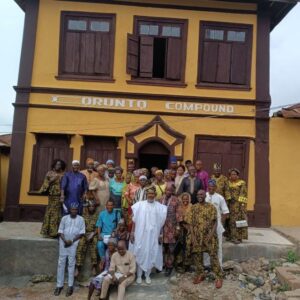 discourse. By prioritising integrity, wisdom, and a deep understanding of the community’s values and traditions, we can build a more just, equitable, and prosperous society. As Chief Abiodun Lasile so aptly puts it, traditional politics is about “speaking truth to the people, rooted in tradition, custom, and culture.” By embracing this approach, we can create a brighter future for ourselves and for generations to come.
-The SixthSense Initiative outreach

