

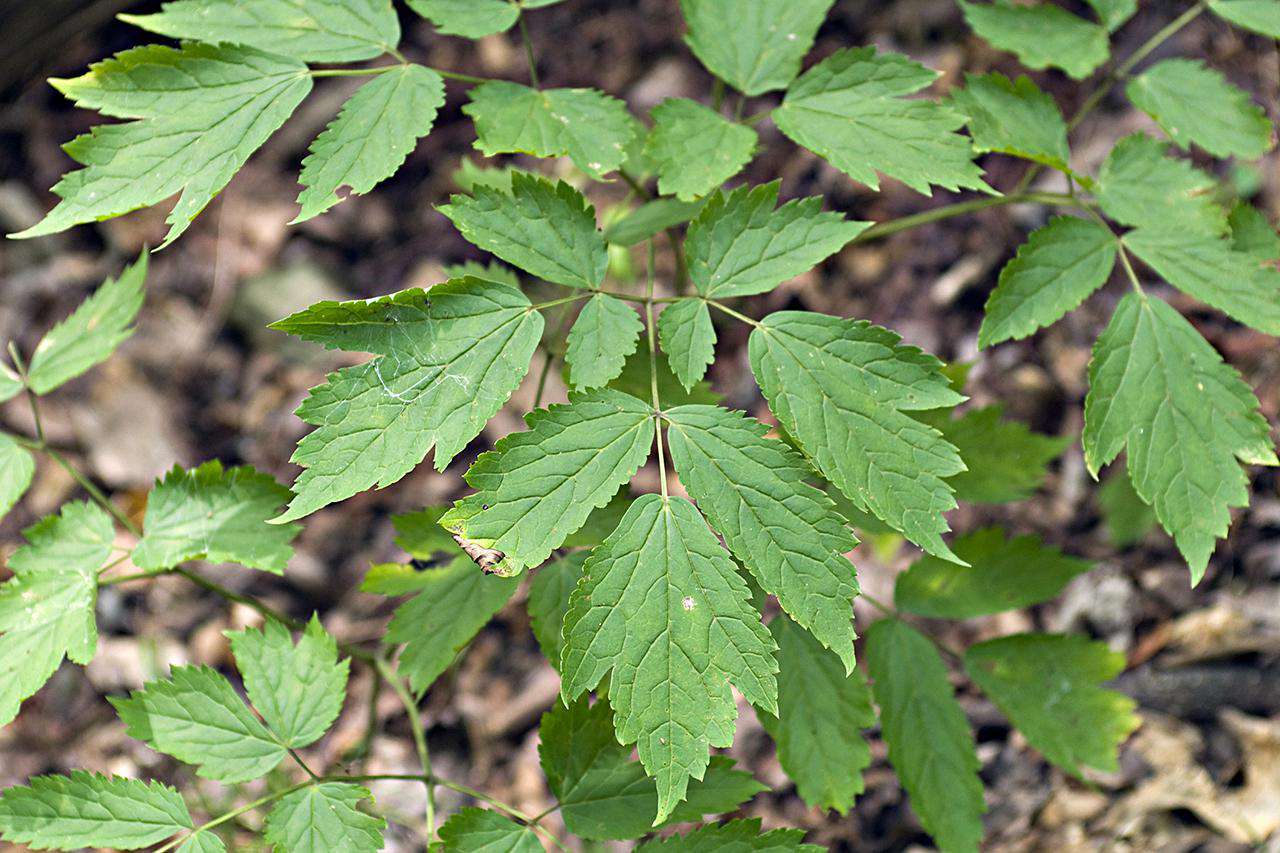
It’s unfortunate that many medical traditional practices and indigenous knowledge are often overlooked or undervalued. By recognising and building upon our existing ingenuity, refining our methods, and combining them with modern research and training, we can unlock new opportunities for innovation and progress. Traditional medicine, for instance, is gaining attention for its potential to integrate evidence-based practices with modern healthcare, preserving cultural heritage while ensuring safety and efficacy.
Research and adoption are crucial steps in preserving and modernising traditional practices. Thorough research can help identify the most effective and sustainable aspects of traditional knowledge, which can then be integrated with modern innovations. This approach is particularly valuable in areas like traditional medicine, agriculture, and environmental conservation, where local knowledge and practices have been developed over centuries.
In health and medication, traditional knowledge can be particularly valuable. Many traditional remedies and practices have been used for centuries, and some have shown promising results. By researching and modernising these approaches, we can potentially discover new treatments or therapies that are effective, affordable, and accessible to more people. For example, some traditional African remedies have been found to have potent anti-malarial or anti-inflammatory properties.
When integrating traditional medicine with modern healthcare systems, ensuring safety and efficacy is a challenge. A nuanced approach is needed, respecting the value of traditional knowledge while applying rigorous scientific standards. By harnessing traditional opportunities, we can create more affordable and accessible solutions. However, this requires a pragmatic approach to governance and economic management, which is currently lacking. Without political goodwill and a people-centered approach, alternative solutions may struggle to gain traction.
The SixthSense Initiative outreach

