

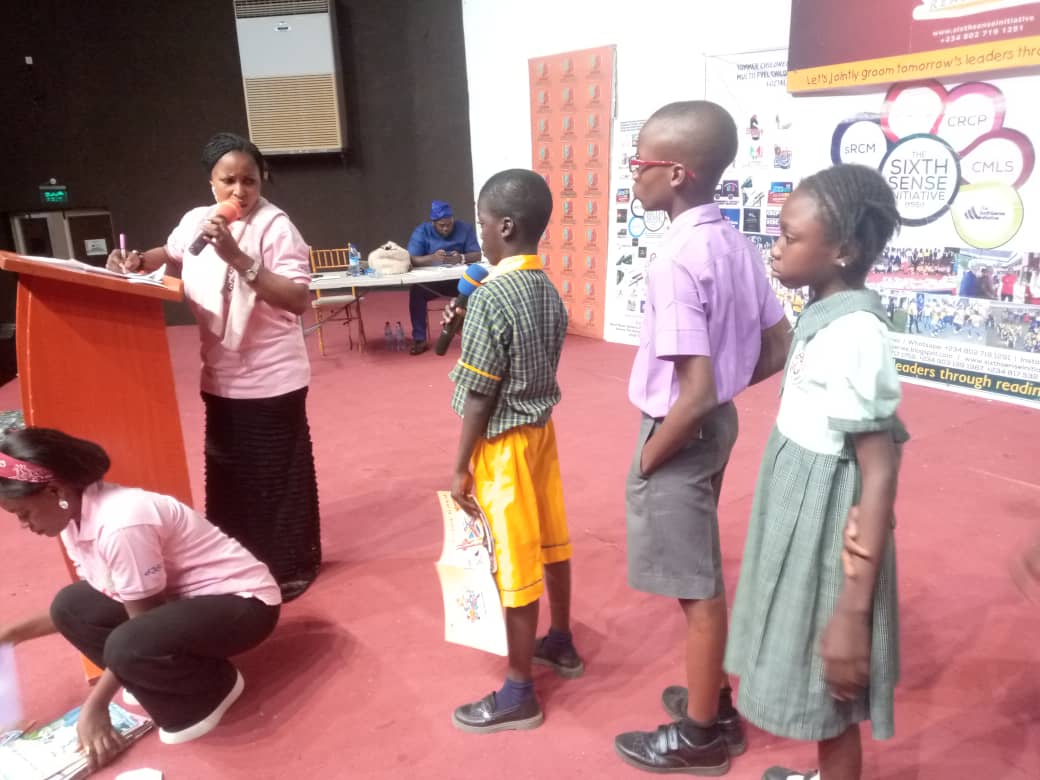
In Yoruba culture, tradition plays a vital role in shaping the values and behaviours of individuals, particularly children. One of the most important values that is deeply ingrained in Yoruba tradition is respect. Respect is not just a virtue, but a fundamental aspect of Yoruba identity that is expected to be upheld in all aspects of life. As the saying goes, “Tradition holds respect in high expectations in personality and it’s particularly necessary in the upbringing of a child.”
The Importance of Respect in Child Rearing
In Yoruba culture, children are taught from a young age to respect their elders, and this respect is not limited to just family members. Children are expected to show deference to older individuals in the community, using appropriate titles and greetings, and behaving in a manner that is respectful and obedient. This emphasis on respect is not just about teaching children to be subservient, but about instilling in them a sense of humility, empathy, and understanding of their place in the community.
The Consequences of Disrespect
In Yoruba society, disrespect towards elders is not taken lightly. Children who are disobedient or disrespectful are often chastised and taught the importance of respecting their elders. This approach may seem strict, but it is rooted in the understanding that respect is a fundamental value that is essential for building strong, harmonious relationships within the community. In fact, a child who is disrespectful to their elders is often viewed as an outcast, and this can have serious consequences for their social and emotional well-being.
The Virtue of Respect
Respect is a virtue that is highly valued in Yorubaland, and it is expected to be demonstrated in all aspects of life. Whether it’s within the family, compound, group, association, or in the streets, respect is seen as an essential component of social interaction. Children are taught to show respect to their elders, using titles such as Baba or Mama, and to at least greet them with a bow or a curtsy. This emphasis on respect helps to create a sense of community and social cohesion, where individuals understand their roles and responsibilities towards one another.

The Impact on Children
The emphasis on respect in Yoruba culture has a profound impact on children. From a young age, children are taught to prioritise respect and to understand the importance of treating others with dignity and respect. This helps to shape their worldview and informs their interactions with others. By instilling respect in children, Yoruba culture helps to create a sense of responsibility and accountability, which is essential for building strong, healthy relationships and achieving success in life.
In conclusion, respect is a fundamental value in Yoruba culture that is essential for building strong, harmonious relationships within the community. The emphasis on respect in child rearing helps to instill in children a sense of humility, empathy, and understanding of their place in the community. By prioritising respect, Yoruba culture helps to create a sense of social cohesion and responsibility, which is essential for achieving success and living a fulfilling life. As the Yoruba saying goes, A kii se ohun ti o ba agba je, which means “One does not do what would offend the elders.”
– Chief Abiodun Lasile DL MnbR
Orunto Baalufe Owu Kingdom Abeokuta

