

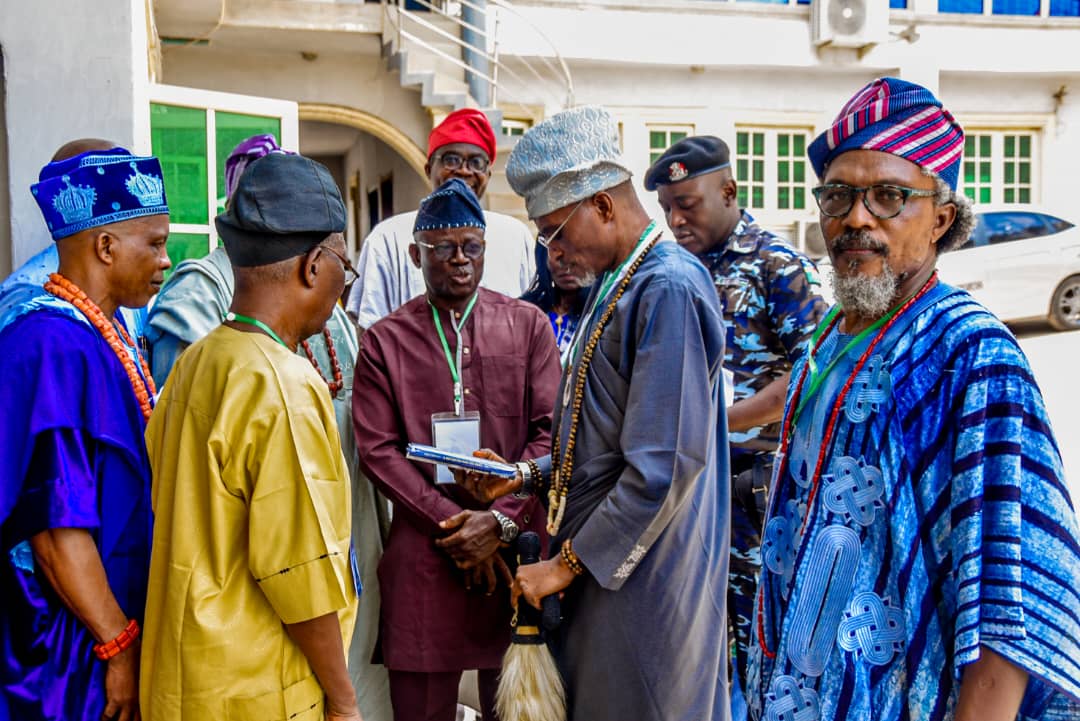
 Knowing oneself and understanding history are crucial to maintaining one’s identity. By understanding our past, culture, and heritage, we gain a sense of belonging and purpose. This knowledge helps us navigate life’s complexities and make informed decisions about our future. The saying ‘Those who do not learn from history are doomed to repeat it’ underscores the importance of studying history to learn from our ancestors’ triumphs and mistakes. This self-awareness and historical knowledge foster a deeper understanding of ourselves and others, allowing us to appreciate our unique experiences, traditions, and perspectives.
Knowing one’s history and identity can profoundly impact our lives in several ways:
– Sense of Belonging: Connecting with our roots and community through our history and cultural heritage provides a sense of belonging and purpose.
– Self-Awareness: Understanding our past and cultural context helps us understand who we are, what we value, and where we’re going, driving personal growth and development.
– Informed Decision-Making: Learning from our ancestors’ experiences and mistakes enables us to make informed decisions and avoid past errors.
– Cultural Appreciation: Studying our history and culture promotes appreciation for our traditions, customs, and values, leading to greater pride and respect for our heritage.
– Empowerment: Knowing our history and identity empowers us to take control of our narrative, shape our destiny, and make positive contributions to our communities.
– Intergenerational Connection: Understanding our history connects us with our ancestors and future generations, providing a sense of continuity and responsibility to preserve our legacy.
– Personal and Collective Growth: Learning from our past helps us identify areas for improvement, driving personal and collective growth and leading to a more fulfilling life.
In essence, knowing one’s history and identity is vital for building a strong sense of self, fostering community connections, and navigating life’s complexities with purpose and direction.”
–Chief Abiodun Lasile DL MnbR
Orunto Baalufe Owu Kingdom Abeokuta

