

It’s worth noting that the issue affects people of all ages, but it’s more prevalent among the younger generation, who comprise a larger segment of the population. To understand the trend and its impact, let’s examine the influence of the younger generation and the direction they’re taking.
This can be attributed to various factors:
Social and Cultural Influences
1. Media and celebrity culture: Celebrities and influencers often showcase revealing outfits, which can inspire their fans to adopt similar styles.
2. Social media: Platforms like Instagram, TikTok, and Twitter promote visual self-expression, encouraging users to share provocative content.
3. Changing social norms: As societal values evolve, traditional notions of modesty and dress codes are being reevaluated.
1. Media and celebrity culture: Celebrities and influencers often showcase revealing outfits, which can inspire their fans to adopt similar styles.
2. Social media: Platforms like Instagram, TikTok, and Twitter promote visual self-expression, encouraging users to share provocative content.
3. Changing social norms: As societal values evolve, traditional notions of modesty and dress codes are being reevaluated.
 Personal Expression and Empowerment
1. Confidence and self-expression: Scant dressing can be a means for individuals to express their confidence, personality, and style.
2. Body positivity: The movement promotes self-acceptance and appreciation, leading some to feel more comfortable showcasing their bodies.
3. Feminism and gender equality: Some argue that women should have the freedom to choose their attire without judgment or societal pressure.
Fashion and Consumerism
1. Fashion trends: Designers and brands often prioritize revealing and provocative designs to generate buzz and drive sales.
2. Consumerism: The fashion industry encourages constant consumption, and scant dressing can be a way to showcase the latest styles and trends.
1. Fashion trends: Designers and brands often prioritize revealing and provocative designs to generate buzz and drive sales.
2. Consumerism: The fashion industry encourages constant consumption, and scant dressing can be a way to showcase the latest styles and trends.
Other Factors
1. Climate and comfort: In warmer climates or during summer months, lighter, more revealing clothing can be a practical choice.
2. Peer pressure and conformity: Individuals may feel pressured to conform to their social circle’s dress code or risk feeling left out.
1. Climate and comfort: In warmer climates or during summer months, lighter, more revealing clothing can be a practical choice.
2. Peer pressure and conformity: Individuals may feel pressured to conform to their social circle’s dress code or risk feeling left out.
It’s essential to recognise that people have different comfort levels and preferences when it comes to dressing. While some may choose to dress more revealingly, others may prefer more modest attire.
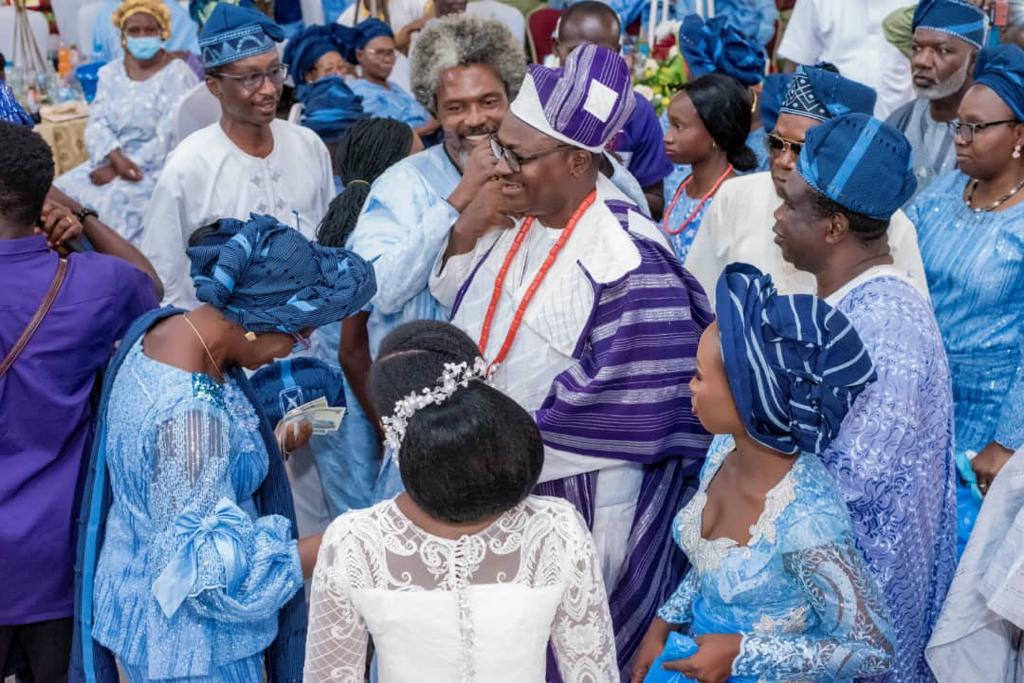
As Yorubas, we take pride in our cultural heritage, which emphasizes the importance of decent dressing. Regardless of the occasion or personal style, our attire should always be fitting, modest, and cover the essentials. This fundamental principle is rooted in the concept of Omoluabi, which reflects our character and values.
Our cultural and religious teachings alike stress the significance of modesty and humility. It is only logical, therefore, to expect a certain level of decorum in our dress code.
While fashion trends and societal influences may evolve over time, and acculturation may shape our preferences, I firmly believe that nakedness or indecent exposure can never be a viable or acceptable option, regardless of the rationale or justification.
Our rich cultural heritage and timeless values should continue to guide our choices, ensuring that we uphold the dignity and respect that our ancestors have instilled in us.
Omoluabi is not backwardness!

