

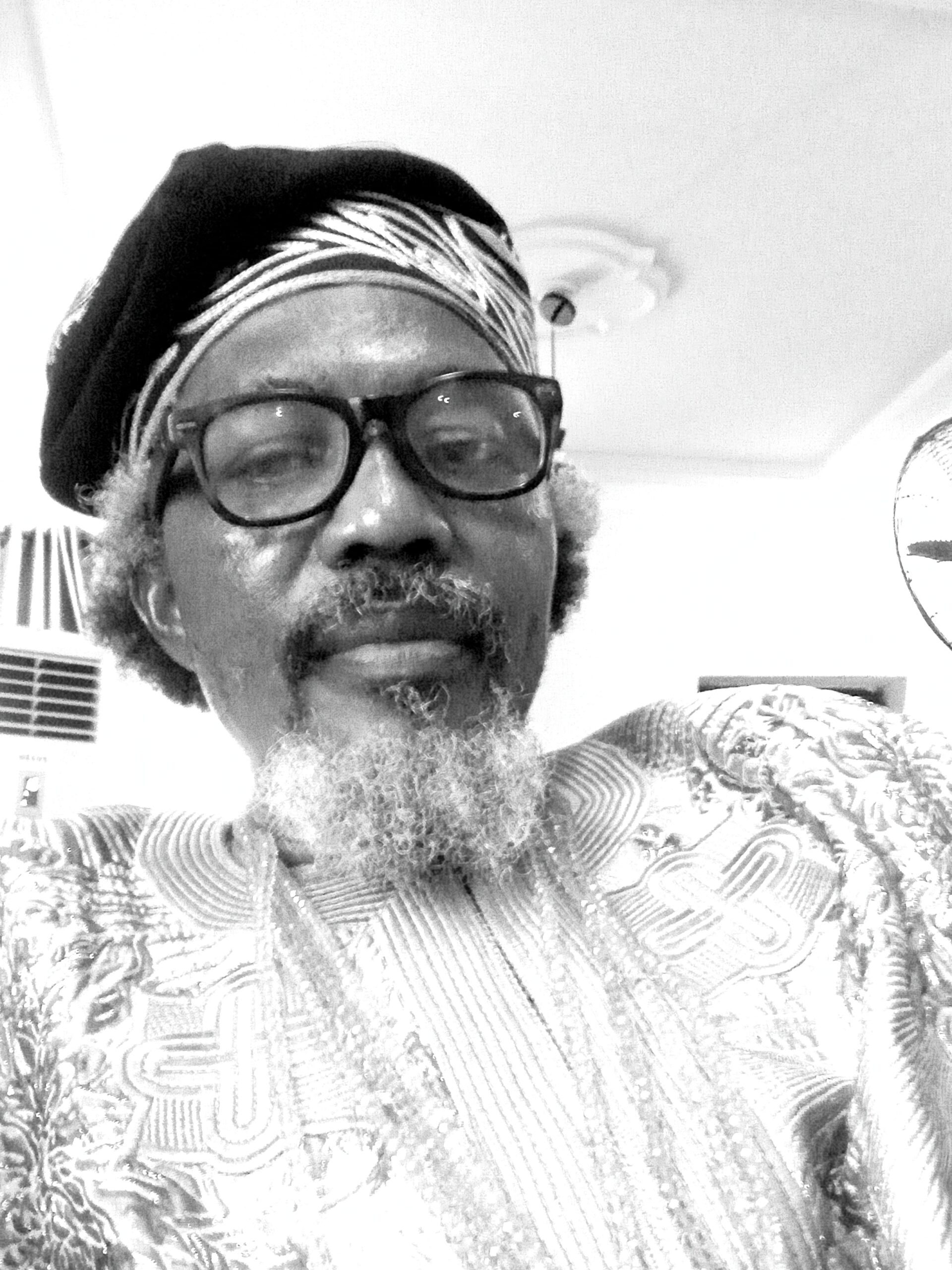
A traditional ruler with a face of service is the living representative of the people, embodying their heritage, championing their welfare, and preserving their identity for generations yet unborn.
Traditional leadership is much more than the possession of a crown, the occupation of a palace, or the authority associated with a throne. It is a sacred responsibility, a public trust, and an enduring commitment to the people whose history, culture, values, and collective identity are entrusted to the custodian of the stool.
A traditional ruler with a face of service understands that the throne is not an instrument of personal glorification but a platform for community advancement. The crown may distinguish the occupant, but it is the quality of service that gives the crown its meaning. The palace may command respect, but it is the conduct of its occupant that sustains that respect. And while traditional authority may be inherited, the confidence, affection, and trust of the people must continually be earned.
The true face of traditional leadership is the face of service.
Such a ruler does not merely sit above the people; he stands with them, listens to their concerns, understands their aspirations, and works towards their collective well-being. He recognises that the dignity of the throne is inseparable from the dignity of the people. Their peace is his concern, their development is his responsibility, their cultural identity is his inheritance to protect, and their future is part of his mandate.
In Yorubaland, traditional institutions are repositories of history, indigenous knowledge, customs, communal values, and systems of social organisation. The traditional ruler is therefore not simply an individual occupying a position of honour. He represents a continuing institution whose significance extends beyond his lifetime. He inherits responsibilities shaped by generations before him and must preserve them for generations yet unborn.
This responsibility demands more than ceremonial appearances. It requires cultural intelligence, historical awareness, moral courage, fairness, and a willingness to defend the values that give the community its identity. It requires the ruler to understand that tradition is not a personal possession to be manipulated at will, but a collective heritage to be protected, interpreted responsibly, and transmitted with integrity.
A ruler who truly serves must also be accessible. A palace that is physically impressive but emotionally distant from its people risks losing the very connection that gives traditional authority its social relevance. The people must see their ruler not only during festivals, installations, anniversaries, and public ceremonies, but also in the sincere attention given to their concerns, the fairness of his interventions, and the consistency of his commitment to community progress.
Service, however, does not mean surrendering the dignity of the throne or yielding to every demand. It means exercising authority with wisdom, restraint, impartiality, and a clear understanding of the common good. A traditional ruler must sometimes make difficult decisions, challenge harmful practices, reconcile opposing interests, and defend what is right even when doing so is inconvenient. Leadership is not measured by the absence of disagreement but by the ability to manage differences without sacrificing justice, peace, and institutional integrity.
Equally important is the responsibility to hold the institution above personal interests. A traditional ruler must be mindful that his decisions, alliances, public conduct, and private dealings may influence how the entire community and its heritage are perceived. The throne should unite rather than divide, preserve rather than diminish, and inspire confidence rather than cultivate fear. Where personal ambition overshadows public responsibility, the institution risks becoming an extension of an individual rather than a dependable instrument of communal service.
In a rapidly changing world, traditional rulers also have an important role to play in connecting heritage with contemporary development. They can promote education, encourage reading and historical documentation, support young people, champion peaceful coexistence, advocate for justice, mobilise responsible investment, and create partnerships that improve the lives of their people. Tradition should not be confined to the preservation of yesterday; it must also contribute meaningfully to the possibilities of tomorrow.
This is where the modern relevance of traditional leadership becomes unmistakable. A ruler who understands his heritage and communicates its value effectively can bring indigenous knowledge to wider conversations about identity, governance, ethics, social responsibility, and cultural intelligence. He can give his community a voice beyond its geographical boundaries while ensuring that its history is neither distorted nor forgotten.
Ultimately, the worth of a traditional ruler should not be determined solely by the splendour of his regalia, the number of dignitaries who visit his palace, or the grandeur of the ceremonies organised in his honour. These may reflect status and recognition, but they do not, by themselves, establish the depth of his service.
A more enduring measure lies in the lives touched, the conflicts peacefully resolved, the institutions strengthened, the heritage preserved, the opportunities created, and the trust sustained among the people.
A crown may confer a title, but service gives it substance. A throne may confer authority, but integrity gives it legitimacy in the hearts of the people.
The traditional ruler who understands this distinction will not see leadership as an opportunity to be celebrated endlessly, but as a responsibility to be discharged faithfully. He will appreciate that his greatest achievement is not merely to occupy the throne successfully, but to leave the institution stronger, the community more united, the culture better protected, and the next generation better prepared to inherit its responsibilities.
For the traditional ruler with a face of service, the crown is not the destination. It is the symbol of a duty.
And the ultimate question is not simply, “Who wears the crown?” but rather, “Whose lives are better because someone wears it?”
That is the enduring test of traditional leadership.
-Chief Abiodun Lasile DL MnbR
Orunto Baalufe Owu Kingdom Abeokuta

