

 Three Years of Service as Orunto Baalufe, Owu Kingdom, Abeokuta
22nd September 2026
À kì í jẹ́ àgbà nítorí ọjọ́-ori; àgbà ni ẹni tí ó mọ iye ohun tí ó gbé lé e — one does not become an elder merely by age; an elder is one who understands the weight of responsibility placed upon him.
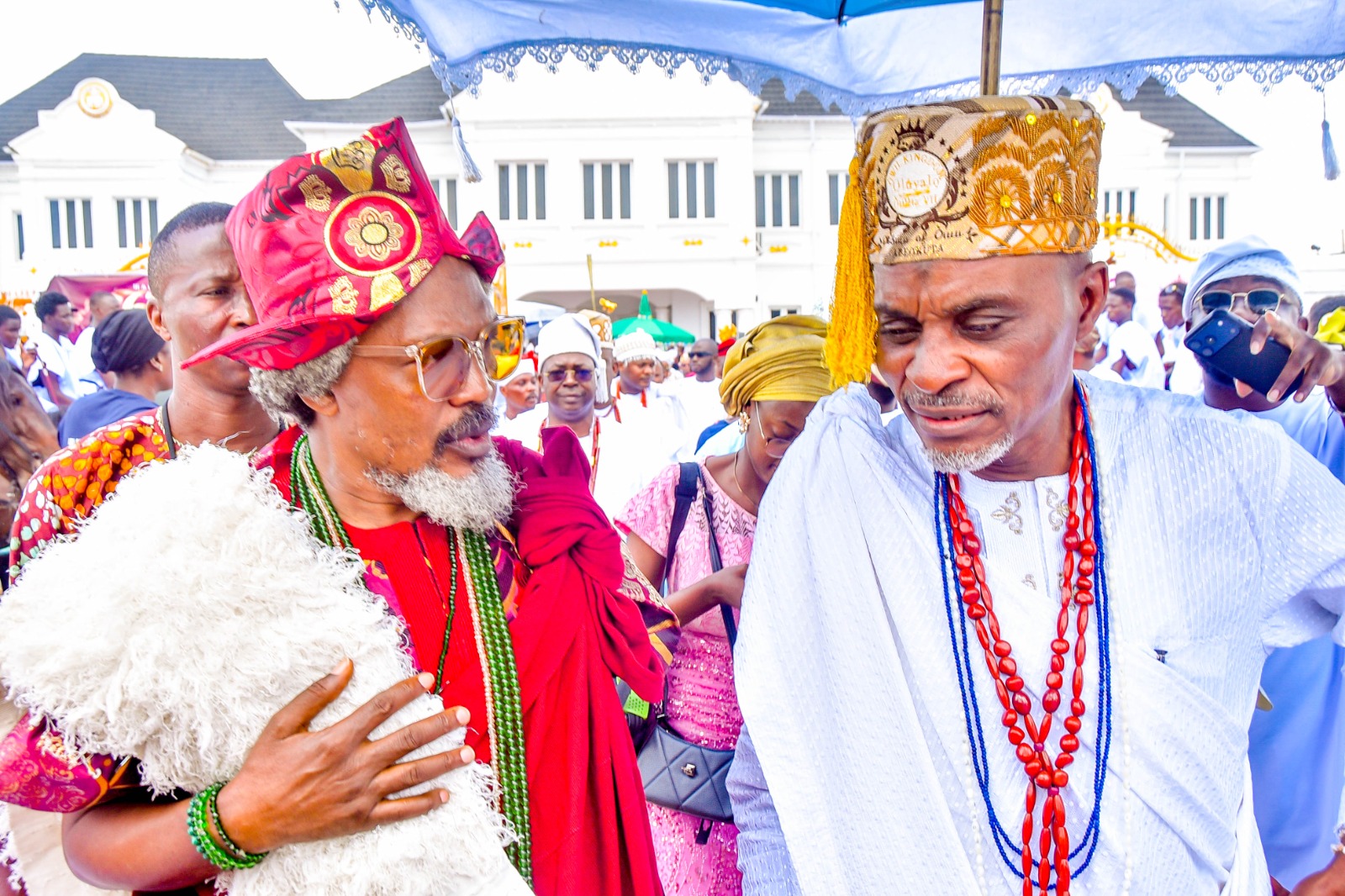
Three years ago, on this day, I was entrusted with the revered office of Orunto Baalufe of Owu Kingdom, Abeokuta. I received the title with gratitude, but I accepted the responsibility with sobriety. For in Yoruba tradition, ìyèwù ni orúkọ, iṣẹ́ ni àṣẹ — a title is an honour, but its true authority is demonstrated through service.
The Orunto is not simply a name to be carried. It is a heritage to be guarded, a trust to be honoured and a responsibility to be transmitted. I therefore stand today not merely to celebrate three years of holding a title, but to give account of three years of custodianship, service, documentation, relationship-building and advocacy for the Owu heritage.
Àgbà tó bá wọ inú igbó, ó mọ̀ pé ẹ̀mí àwọn tó ṣáájú rẹ̀ ń bẹ níbẹ̀ — the elder who enters the forest understands that the spirits and memories of those who came before him remain there. That is how I understand traditional leadership. We do not inherit a people; we inherit a trust. We do not own history; we are entrusted with its preservation. We do not create tradition at will; we receive it, understand it, protect its dignity and transmit it intelligently to the next generation.
For three years, I have carried the Orunto responsibility with this consciousness. I have consistently believed that traditional leadership is not government. Traditional leaders have influence, but no governmental authority. Our strength is not in political instruments; it is in wisdom, credibility, character, relationships and the confidence of our people. Ọba kì í ṣe ẹni tí ó ń pariwo ju; ẹni tí ọ̀rọ̀ rẹ̀ bá ní ìwúwo ni a ń pè ní ọba — leadership is not measured by the loudness of one’s voice, but by the weight of one’s words and the consequences of one’s conduct.
I remain deeply grateful to God Almighty, whose grace has brought me thus far. I acknowledge with profound respect HRM Oba Prof. Saka Adelola Matemilola, FNSE, Otileta VII, Olowu of Owu Kingdom, under whose authority I was installed on this day in 2023. I remain conscious of the confidence and responsibility attached to that installation. I also honour the Orunto family, our traditional institution, fellow chiefs, Owu sons and daughters, community leaders, friends, associates and all those who have supported this journey.
Our heritage is not an ornament. It is an obligation. This has been central to my service. I have sought to document our history because a people without memory can easily become strangers to themselves. I have sought to strengthen relationships because àjọṣe ni ń bí àṣẹ — collective relationship and cooperation strengthen communal influence. I have promoted our culture because the future that forgets its roots may grow branches, but it will struggle to know its tree. And I have continued to engage the younger generation because the greatest cultural failure is not when an elder dies; it is when the knowledge dies with the elder.
Our elders were libraries before libraries became buildings. They carried histories in their memories, genealogies in their voices, wisdom in their proverbs and communal values in their conduct. Today, our responsibility is to ensure that those libraries are not lost. We must document, teach, preserve and transmit. Where necessary, we must also use modern technology intelligently to ensure that our heritage survives modernity without surrendering its identity.
Three years have passed, but the journey has only begun. I do not regard this anniversary as the celebration of an achievement completed; I regard it as a reminder of a responsibility continuing. A title is temporary; the legacy it leaves behind can become permanent.
Therefore, I renew my commitment to the Owu heritage, to the dignity of the Orunto institution, to responsible traditional leadership and to the development of our communities. I shall continue to speak when silence threatens truth, document where memory is endangered, build bridges where relationships require strengthening, and advocate for culture without diminishing the cultures of others. Above all, I shall continue to remind our people that modernity must not become amnesia.
Àṣà là ń jogún, ìwà là ń fi sílẹ̀ — culture is what we inherit; character is what we leave behind.
If, after my tenure, the people can say that I respected the ancestors, served the living, inspired the young and preserved something valuable for those yet unborn, then I would consider the responsibility worthwhile.
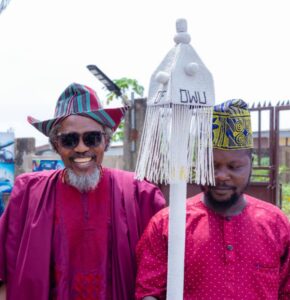
Three years ago, I received a title. Today, I reaffirm a covenant of service. The staff of tradition may be held by one hand, but its responsibility belongs to generations. May the ancestors of Owu continue to guide us; may the wisdom of our elders continue to illuminate our path; and may the unity of Owu continue to strengthen our people. May our children inherit not merely the name Owu, but the knowledge, dignity, courage and values that make that name meaningful.
And may those who come after us say that we did not merely inherit the heritage; we understood it, protected it, documented it, strengthened it and handed it forward.
Ase.
Orunto Baalufe Owu Kingdom, Abeokuta
Chief Abiodun Oladimeji Lasile DL MnbR
22 September 2026

