

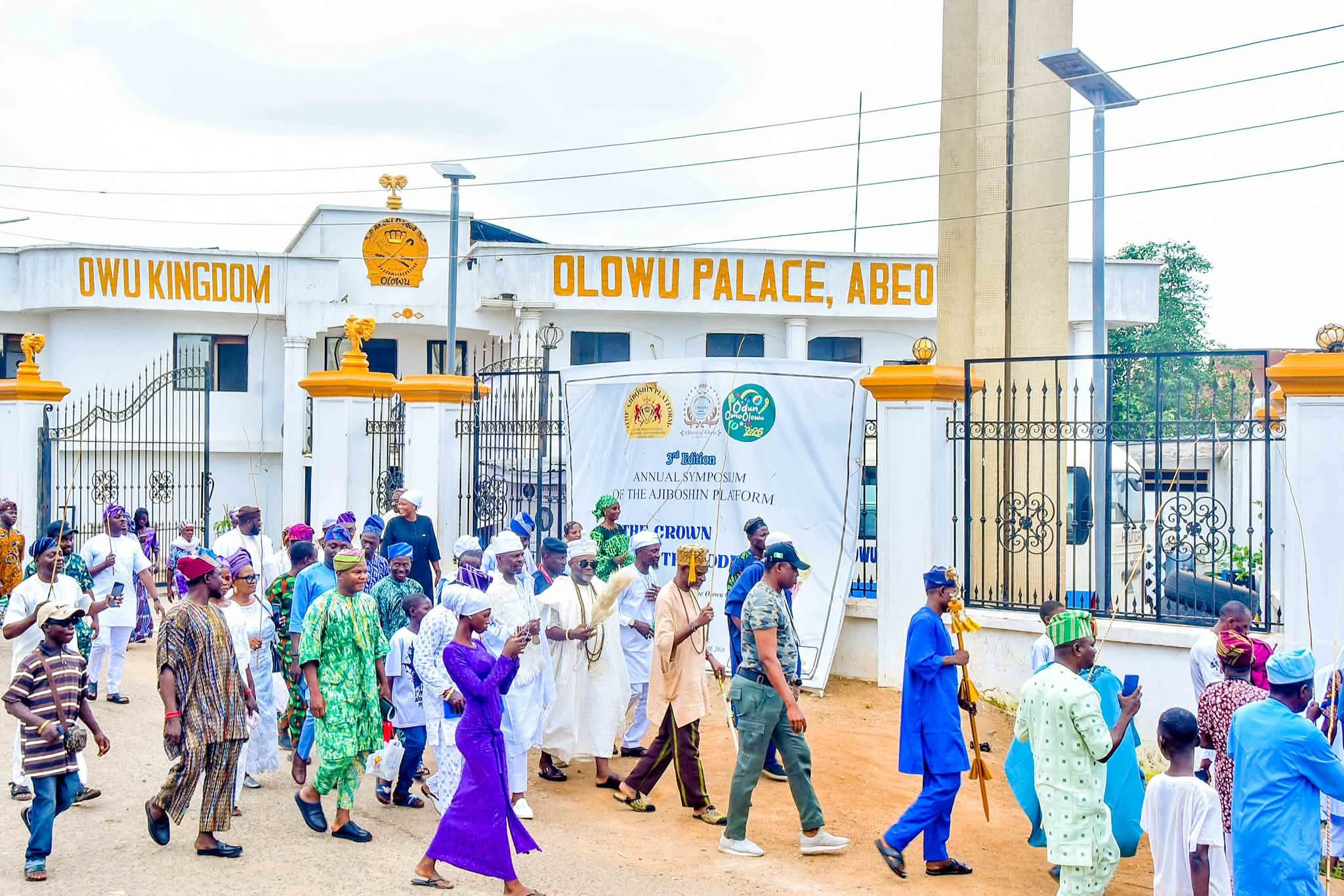
A people can be physically free and still remain mentally captive to ideas that make them strangers to themselves.
We are often quick to speak of the slavery of the past, yet less willing to examine the second slavery created when foreign ideas, religious influences, social conditioning and imperial legacies so dominate our consciousness that we become disconnected from our own heritage, values, history and identity.
The problem is not knowledge from elsewhere. The problem is knowing everybody else without knowing ourselves.
No civilisation should be condemned merely because it is foreign, just as no tradition should be accepted merely because it is inherited. What we need is the intelligence to examine, understand, distinguish and choose.
That is where Cultural Intelligence becomes important.
 Cultural Intelligence enables us to debrief ourselves—to step back from inherited assumptions and ask difficult questions about what we have been taught, what we have forgotten, what we have misunderstood and what we have neglected.
It calls us to return to our history, study our institutions, understand our languages, interrogate our traditions, document our memories and rediscover the values that enabled our communities to survive.
It also calls us to acquire new knowledge.
Cultural intelligence is not a retreat into the past. It is not cultural isolationism. It is not the rejection of religion, science, technology or ideas from other societies.
Rather, it is the capacity to engage the world without losing ourselves in it.
We must stop treating our heritage as something to display only during festivals, ceremonies or cultural days. Heritage must become knowledge. Knowledge must become confidence. Confidence must become responsible action.
Our children must know their history.
Our leaders must understand their institutions.
Our traditional custodians must understand the contemporary world.
Our scholars must document what is disappearing.
Our media must stop feeding only negativity about Africa.
And our communities must participate actively in defining how our culture is represented.
Because neglect is also a form of surrender.
When we fail to document our history, others may define it for us.
When we abandon our language, we weaken a vessel of memory.
When we ridicule our heritage without understanding it, we assist its disappearance.
When we consume foreign narratives without critical thought, we surrender the authority to tell our own story.
We must not enter a second slavery through our own nonchalance.
The liberation we need is therefore not simply political or economic. It is also intellectual, cultural and psychological.
Cultural Intelligence can help us achieve that liberation—not by closing our minds to the world, but by giving us enough knowledge of ourselves to meet the world as equals.
We must learn from the world without becoming lost in the world.
We must embrace new knowledge without abandoning ancestral knowledge.
We must modernise without erasing ourselves.
We must remember without becoming prisoners of the past.
Ultimately, cultural intelligence is both liberation and responsibility.
It liberates us from ignorance about ourselves.
And once liberated, we must become the people who keep our culture free.
Cultural Intelligence can liberate us.
But we must also be willing to free ourselves.
-Chief Abiodun Lasile DL MnbR
Orunto Baalufe Owu Kingdom Abeokuta

