

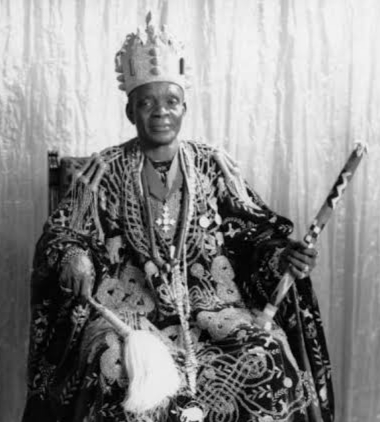
Yes. Oba Sir Ladapo Samuel Ademola II remains historically recognised as the longest-serving Alake of Abeokuta, having occupied the throne for about 42 years, from 1920 until 1962.
There is also a strong historical understanding within Abeokuta and Owu traditional history that he had Owu maternal and ancestral connections, which is why many Owu people proudly identify him as “an Owu man.” The interwoven royal, cultural, and familial relationships among Egba and Owu lineages in Abeokuta make such identity associations historically significant and culturally accepted.
Oba Ladapo Ademola II was one of the most influential traditional rulers in colonial and early modern Nigeria. During his reign:
Abeokuta witnessed major infrastructural and administrative development.
He played notable roles within the Egba United Government.
He became President of the Western House of Chiefs in 1960.
His reign intersected with major nationalist and social movements, including the famous resistance led by Funmilayo Ransome-Kuti during the Abeokuta women’s tax protests.
His legacy remains deeply respected in both Egba and Owu historical consciousness because he symbolised royal authority, diplomacy, modernisation, and continuity during a transformative era in Yoruba history.

